Global ETF Survey 2026: Answer now →
Help us improve your experience. Please confirm your investor type:
The ETF Industry Is Evolving Fast
From AI infrastructure to active strategies, the ETF landscape is shifting. Share your perspective in the 7th Annual Global ETF Survey.
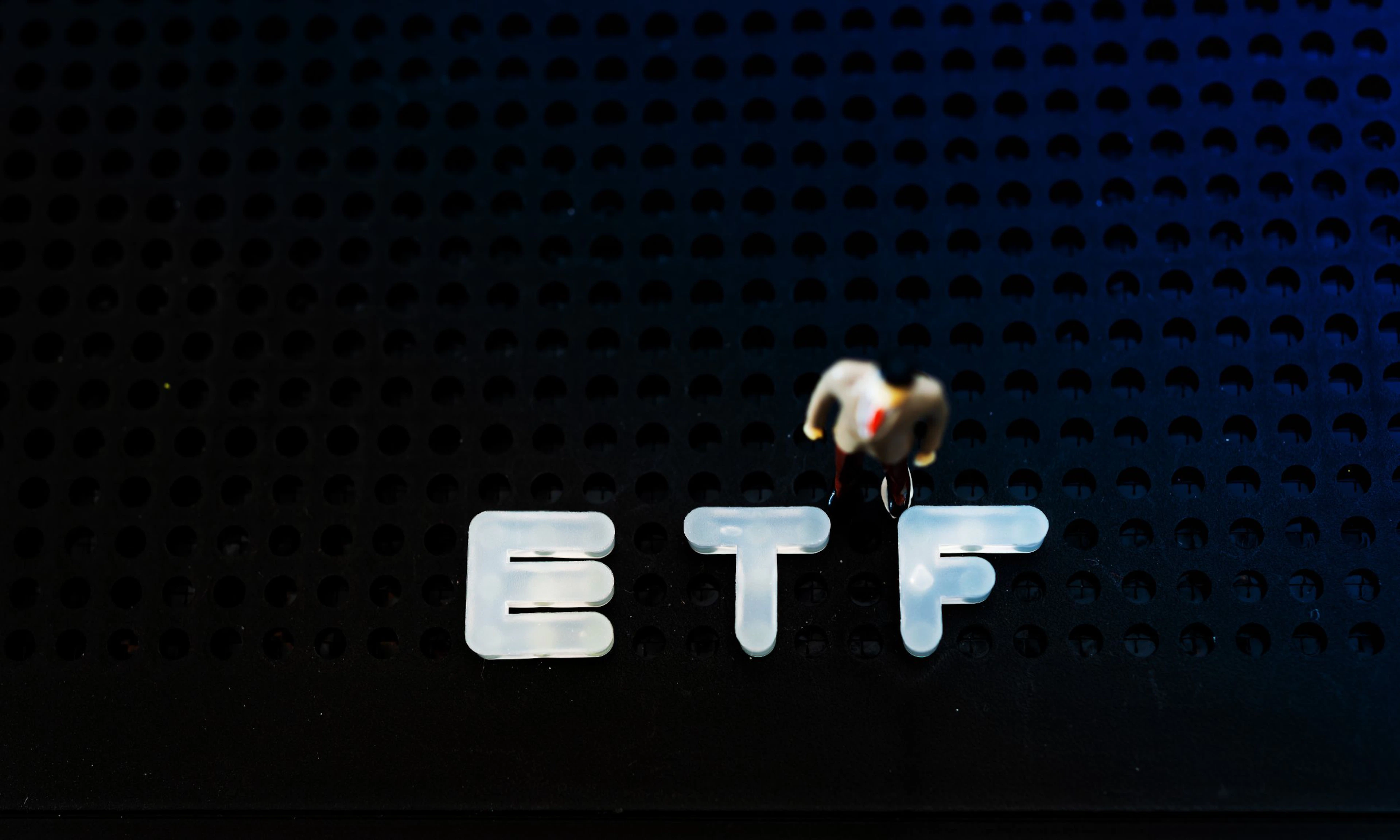
Inverse Cramer ETF is coming to the real world
Thematic ETFs are getting crazier by the day. Let's take an in-depth look at the new Inverse Cramer ETF.

By Tony Dong
October 12, 2022
Advertisement
Previously in May, I wrote about what a hypothetical "Inverse Jim Cramer" ETF would look like. It's worth noting that the concept of "inversing Cramer" was highly popular on social media like r/WallStreetBets given his spotty track record.
At the time, I figured inverse Cramer would remain a meme. Well, I was proven wrong. An enterprising and clearly meme-savvy fund manager out there, Tuttle Capital Management has actually filed prospectuses for two Cramer-tracking funds:
ETF Data Built for Precision
Trackinsight delivers reliable and comprehensive coverage on 14,000+ ETFs
- The Inverse Cramer ETF (SJIM)
- The Long Cramer ETF (LJIM)
In retrospect, I'm not surprised. Tuttle Capital is known for its hilarious yet strangely effective ETF lineup. Case in point, their earlier Short Innovation Daily ETF (SARK) that bet against Cathie Wood and her funds is still up 73% year-to-date.
How the Inverse Cramer ETF might work
Make no mistake, SJIM and LJIM will be actively managed funds. Although Index One was able to construct an Inverse Cramer tracking index, the actual operations of a Cramer-based fund would be significantly more complex. This is not your vanilla buy-and-hold index fund.
According to Tuttle Capital, both ETFs will hold 20-25 Cramer picks in an equally weighted allocation. Because Cramer often makes his picks live on TV (or via tweets), the fund will likely have significant turnover to maintain low tracking error with Cramer's recommendations. I'm curious to see if there will be large capital gains distributions every year due to this.
SJIM is the more interesting fund in my opinion and will require some intricacies to carry out its daily inverse exposure target. This will likely necessitate shorting or the use of total return swaps. I'm curious to see if the team at Tuttle plans on using options given their complexity and susceptibility to time decay and changes in implied volatility.
In many ways, SJIM is basically a long-short alternative fund. If Cramer is bullish a pick, the fund shorts it. If Cramer is bearish on a pick, the fund goes long on it. Buying the fund means basically betting against Cramer in the most explicit and hilarious of ways.
Benefits and risks of SJIM ETF
The premise behind SJIM is theoretically sound and can be boiled down to one observation: "the average stock picker performs horribly ."Stock-picking is extremely difficult to pull off consistently. Everyone is a genius in a bull market, but during bear markets like these, the average stock picker tends to trail a simple index fund significantly.
Case in point, studies have found that just a handful of stocks (86 in total) account for half of the total stock market's return in the last 90 years, with 96% underperforming risk-free Treasury Bills. Another study found that a blindfolded monkey could beat most stock pickers. Unless you think he’s a prophet with his stock picks, betting against Cramer is like betting against any stock picker.
What is the bull case for SJIM then? In a nutshell, the fund would likely outperform if just over half of Cramer's picks were wrong in the short term. The inverse exposure will likely be reset daily like most inverse ETFs on the market. Thus, the best-case scenario is a sudden, volatile movement against one of Cramer's recommendations that the fund trades in and out of.
Advertisement
Most inverse funds have high negative carry due to the positive expected returns of the underlying, volatility drag, and high expense ratios. SJIM could feasibly post a positive long-term return if Cramer was consistently wrong with his picks over the short term, the fund doesn't employ leverage (which amplifies volatility drag), and keeps expense ratios low enough.
If you're dead set on betting against Cramer, SJIM might be one of the safer ways to do so. Otherwise, you'll have to actively manage dozens of positions, keep up to date with Cramer's news segments and Twitter, use margin to sell stocks short, or fiddle with options. At least with an ETF, your maximum risk is limited to your total investment.
Disclaimer: This article is limited to the dissemination of general information pertaining to investment strategies and financial planning and does not constitute an offer to issue or sell, or a solicitation of an offer to subscribe, buy, or acquire an interest in, any securities, financial instruments or other services, nor does it constitute a financial promotion, investment advice or an inducement or incitement to participate in any product, offering or investment.
More articles


About Trackinsight
Since our founding in 2016, we have been at the forefront of the industry, delivering accessible, comprehensive, and reliable tools to support the evolving needs of investors.
Over the past decade, Trackinsight has expanded its operations across six countries, serving thousands of professional investors. We’ve consistently innovated to provide cutting-edge solutions that meet the changing demands of the ETF market.
In 2024, Kepler Cheuvreux, a leading independent European financial services firm, acquired a majority stake in Trackinsight, becoming the company's principal shareholder.
This strategic partnership solidifies Trackinsight's position as a premier provider of ETF selection and analysis tools, while strengthening Kepler Cheuvreux’s commitment to becoming a leading player in the ETF sector.
Together, we are committed to offering advanced services that empower professional investors, advisors, institutions, and issuers. This new step enables us to deliver even more comprehensive and innovative technological solutions, driving ETF investing to new heights.
More about TrackinsightETF TOOLS
PLATFORM
ETF NEWS & RESEARCH
Privacy policy | Cookie policy | | Terms of use | Imprint