Trackinsight is part of ETF One, the fully integrated ETF platform of Kepler Cheuvreux. Learn more →
Help us improve your experience. Please confirm your investor type:
The ETF Industry Is Evolving Fast
From AI infrastructure to active strategies, the ETF landscape is shifting. Share your perspective in the 7th Annual Global ETF Survey.
EU Climate and Energy Policy Secure the Future of Solar ETFs
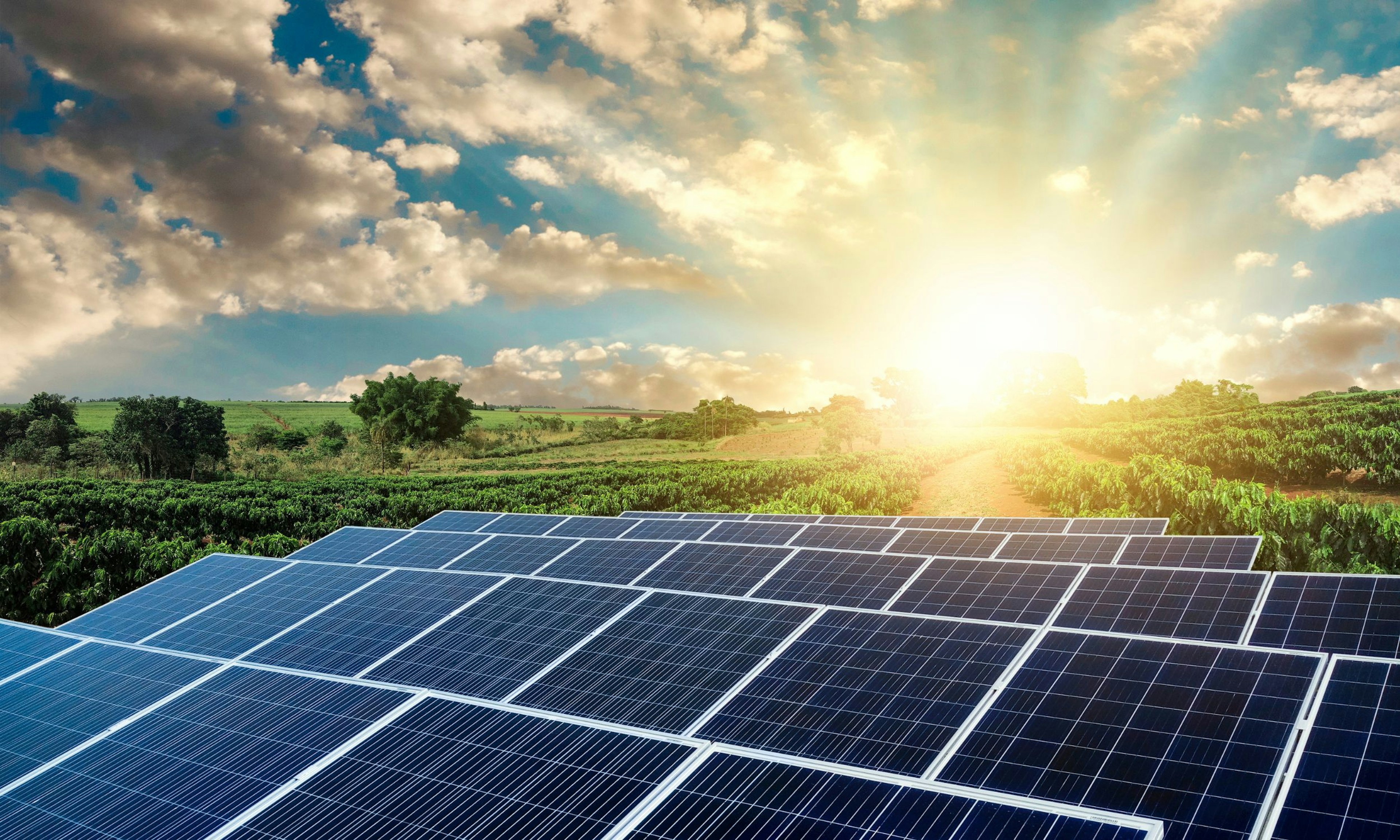
Climate trends in Europe signal a further surge of interest in solar power projects. Here we take a look at Europe’s current climate situation, the solar generation industry, and what it means for Solar Energy ETFs.

By Nikki Lai
May 5, 2023
- ETFs
- Investing
Advertisement
Climate stress in Europe
The latest European State of the Climate report was released towards the end of April, highlighting Europe’s exposure to climate change, its effects, and climate-related events. To summarise, key points include:
- 2022 was one of the hottest years on record for Europe, coming in second to 2020 which saw the highest average temperature. Certainly, for the majority of southwestern Europe, the average daily temperature topped the records since 1950.
- The year was marked by erratic patterns of extreme heat amid consistently warmer-than-usual temperatures.
- The southern region, being closer to the equator, experienced a historically higher number of heat-stressed days, defined as temperatures between 38 and 46 degrees Celsius.
- Continuing a trend upwards, surface solar radiation during the year was at its highest in 40 years, and as a result, potential solar photovoltaic power generation was above average across the continent.
Europe’s decarbonisation blueprint is a web of policies at the centre of which is the European Green Deal, which wants to make Europe climate neutral by 2050. Strategies to achieve this, driven by the design of national energy and climate plans, will no doubt include the wide-scale transformation of energy systems since fossil fuels account for the majority of greenhouse gas emissions. Add to this the role of energy in powering the top four other sectors with the highest greenhouse gas emissions (transportation, buildings, industry, and agriculture), and you have a reverse catch-22.
📊 Share your ETF outlook
From AI infrastructure to active strategies, the ETF landscape is shifting. Share your perspective in the 7th Annual Global ETF Survey and get exclusive early access to the final report.
Solar’s role in the EU’s energy mix and decarbonisation effort
Across the Mediterranean Sea to North Africa, countries like Morocco and Egypt are home to some of the world’s largest solar farms, with room to feed as much as 15% of Europe’s energy appetite, which has grown desperate post-Ukraine . Swathes of sun-beat desert land, some parts inhabited and sustaining life, many parts barren, provide the space for an accelerated transition for its industrialised neighbours.
Europe already buys solar power from Morocco via existing power links and is set to buy more with an EU-Morocco Green Partnership agreed upon in October 2022, opening doors for enhanced cooperation and external investments. This is potentially further supported by the REPowerEU Plan which aims to enable cross-border investments in a bid to reduce reliance on Russian fossil fuels.
Meanwhile, Egypt and Tunisia are both deliberating the construction of new cables that will supply energy from their solar farms to countries across the Mediterranean. Greece, Italy, and the UK are all separately involved in these discussions. Infrastructure-wise, northern Africa has the means to export power.
Within the continent, the EU’s solar power generation capacity grew by nearly 50% from 2021 to 2022 and is forecast to more than double by 2026. Solar photovoltaics (PV) is proving to be one of the fastest-growing renewable energy sources in Europe, and as the EU Solar Strategy’s ambition is to increase solar deployment by 43% by 2030, the forecast will not be far from reality.
Investing in solar energy
All this suggests that solar power projects and their potential investment returns have yet to peak. Reducing reliance on fossil-based energy sources and transitioning to renewables (which are two sides of the same coin) are the fastest and most effective ways to decarbonization. Now couple this with increasing surface solar radiation, solar power generation potential, European policymakers’ intense interest and investment in solar projects, and the EU’s climate policies and trade deals, and the future points undoubtedly towards solar, whether homegrown or imported.
Securing financing is critical for large-scale solar projects. The sustained interest in solar means that Solar Energy ETFs are not only supporting the energy transition currently underway, but also provide opportunities for stable returns underlined by a positive regulatory and policy environment.
For thematic investors looking to allocate assets to such projects, Trackinsight currently identifies six ETFs offering dedicated exposure to solar energy. In addition, holdings in solar energy companies are frequently included in broader thematic ETFs such as Alternative Energy ETFs and Net Zero 2050 ETFs.
More articles


About Trackinsight
Since our founding in 2016, we have been at the forefront of the industry, delivering accessible, comprehensive, and reliable tools to support the evolving needs of investors.
Over the past decade, Trackinsight has expanded its operations across six countries, serving thousands of professional investors. We’ve consistently innovated to provide cutting-edge solutions that meet the changing demands of the ETF market.
In 2024, Kepler Cheuvreux, a leading independent European financial services firm, acquired a majority stake in Trackinsight, becoming the company's principal shareholder.
This strategic partnership solidifies Trackinsight's position as a premier provider of ETF selection and analysis tools, while strengthening Kepler Cheuvreux’s commitment to becoming a leading player in the ETF sector.
Together, we are committed to offering advanced services that empower professional investors, advisors, institutions, and issuers. This new step enables us to deliver even more comprehensive and innovative technological solutions, driving ETF investing to new heights.
More about TrackinsightETF TOOLS
PLATFORM
ETF NEWS & RESEARCH
Privacy policy | Cookie policy | | Terms of use | Imprint